what antibiotic is good for a fungal infection Why antibiotics are harmful for your health
Antibiotic Resistance - A Growing Concern Antibiotic resistance is one of the greatest threats to public health in the world today. Antibiotics, which are a class of drugs used to treat bacterial infections, have been around for more than 75 years. They have saved countless lives and revolutionized modern medicine. Unfortunately, their overuse has led to the development of antibiotic-resistant bacteria. The growth of antibiotic resistance is a significant concern for global health, as it threatens the ability to prevent and treat infections. According to the Centers for Disease Control and Prevention (CDC), over 2.8 million antibiotic-resistant infections occur in the United States each year, resulting in more than 35,000 deaths. Globally, antibiotic resistance is responsible for an estimated 700,000 deaths each year. This problem is only expected to get worse in the coming years as the world becomes more reliant on antibiotics to address health issues. One major concern in the medical community is the emergence of antibiotic-resistant fungal infections. The CDC has issued a warning about these infections, which can be deadly, especially in people with weakened immune systems. This type of infection is particularly worrisome since it is difficult to detect, and few treatment options exist. In addition, some fungal infections can be transmitted from person to person, which raises concerns about the possibility of outbreaks. While antibiotics are essential in the treatment of bacterial infections, their overuse is contributing to the growth of antibiotic-resistant bacteria. A growing body of research has also shown that antibiotics can have negative effects on gut health. The human gut is home to trillions of bacteria, the vast majority of which are beneficial. However, antibiotics kill both good and bad bacteria, which can lead to an imbalance in the gut microbiome. This imbalance has been linked to a range of health issues, including digestive problems, allergies, and obesity. In recent years, there has been a growing interest in using natural remedies, such as probiotics, to promote gut health and reduce the need for antibiotics. Probiotics are live bacteria and yeasts that are found naturally in the human body. They are also available in supplement form. Studies have shown that probiotics can help reduce the incidence of antibiotic-associated diarrhea, a common side effect of antibiotic use. It is important to note that antibiotics are still an essential tool in the fight against bacterial infections. However, we must use them responsibly to prevent the growth of antibiotic-resistant bacteria. We can reduce the need for antibiotics by adopting healthy lifestyle habits, such as eating a balanced diet, exercising regularly, and getting enough sleep. We can also protect ourselves from infections by practicing good hygiene, such as washing our hands regularly and avoiding close contact with sick people. In conclusion, antibiotic resistance is a serious public health concern that requires our attention and action. We need to use antibiotics responsibly and explore alternative treatments to reduce the likelihood of the development of antibiotic-resistant bacteria. We can also take steps to promote gut health and reduce the need for antibiotics through natural remedies such as probiotics. By taking these steps, we can help ensure that antibiotics remain effective in the treatment of bacterial infections for years to come.
If you are looking for Indigestion (Dyspepsia) – Symptoms, Causes & Treatments | New Life you’ve came to the right web. We have 5 Images about Indigestion (Dyspepsia) – Symptoms, Causes & Treatments | New Life like Why Antibiotics are Harmful for Your Health | Top 10 Home Remedies, Systemic vs. Topical Antifungal Drugs | Prescription & Over-The-Counter and also CDC Warning: Antibiotic-Resistant Fungal Infections Are Still a Big. Here you go:
Indigestion (Dyspepsia) – Symptoms, Causes & Treatments | New Life
 www.newlifeticket.comantibiotics antibiotic infection infections antibiotici staph cefazolina posologia fda gastroscopy overuse antibiotico newsmax salutarmente outweigh curb microbioma fluimucil foglio illustrativo
CDC Warning: Antibiotic-Resistant Fungal Infections Are Still A Big
.jpg?itok=nIhxCNDB) nationalinterest.orginfections antibiotic fungal cdc
Can I Treat A Yeast Infection With Antibiotics? - Beat Candida
 beatcandida.cominfection antibiotics yeast treat
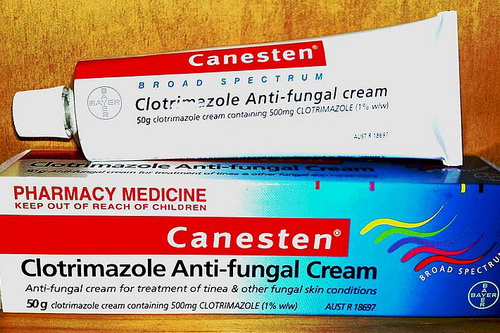
Systemic Vs. Topical Antifungal Drugs | Prescription & Over-The-Counter
 www.steadyhealth.comantifungal cream infection yeast medication topical fungal drugs azole systemic counter over treatment amphotericin anti drug infections mouth prescription itching
Why Antibiotics Are Harmful For Your Health | Top 10 Home Remedies
 www.top10homeremedies.comantibiotics harmful health why taking things there prostatitis effective treatment without while top10homeremedies remedies
Infection antibiotics yeast treat. Systemic vs. topical antifungal drugs. Indigestion (dyspepsia) – symptoms, causes & treatments